
The past week has seen significant developments in the prediction markets space, with Philadelphia Eagles’ running back Saquon Barkley being forced to unload his stake in Polymarket due to NFL rules. This move highlights the complexities and regulatory challenges faced by sports personalities investing in gaming and prediction markets.
Market Analysis and Regulatory Landscape
The situation underscores the need for clarity and compliance with regulatory requirements in the rapidly evolving prediction markets sector. As the industry continues to grow, stakeholders must navigate a myriad of rules and regulations that vary by jurisdiction. Utah’s decision to file criminal charges against Kalshi CEO Mansour further emphasizes the importance of adhering to legal and regulatory standards.
Prediction markets, which allow users to bet on the outcome of events, are subject to various regulations, including those related to sports integrity, consumer protection, and financial transactions. The NFL’s stance on players’ involvement in prediction markets is particularly noteworthy, as it reflects the league’s efforts to maintain the integrity of sports and prevent potential conflicts of interest.
Key data points in the prediction markets space include:
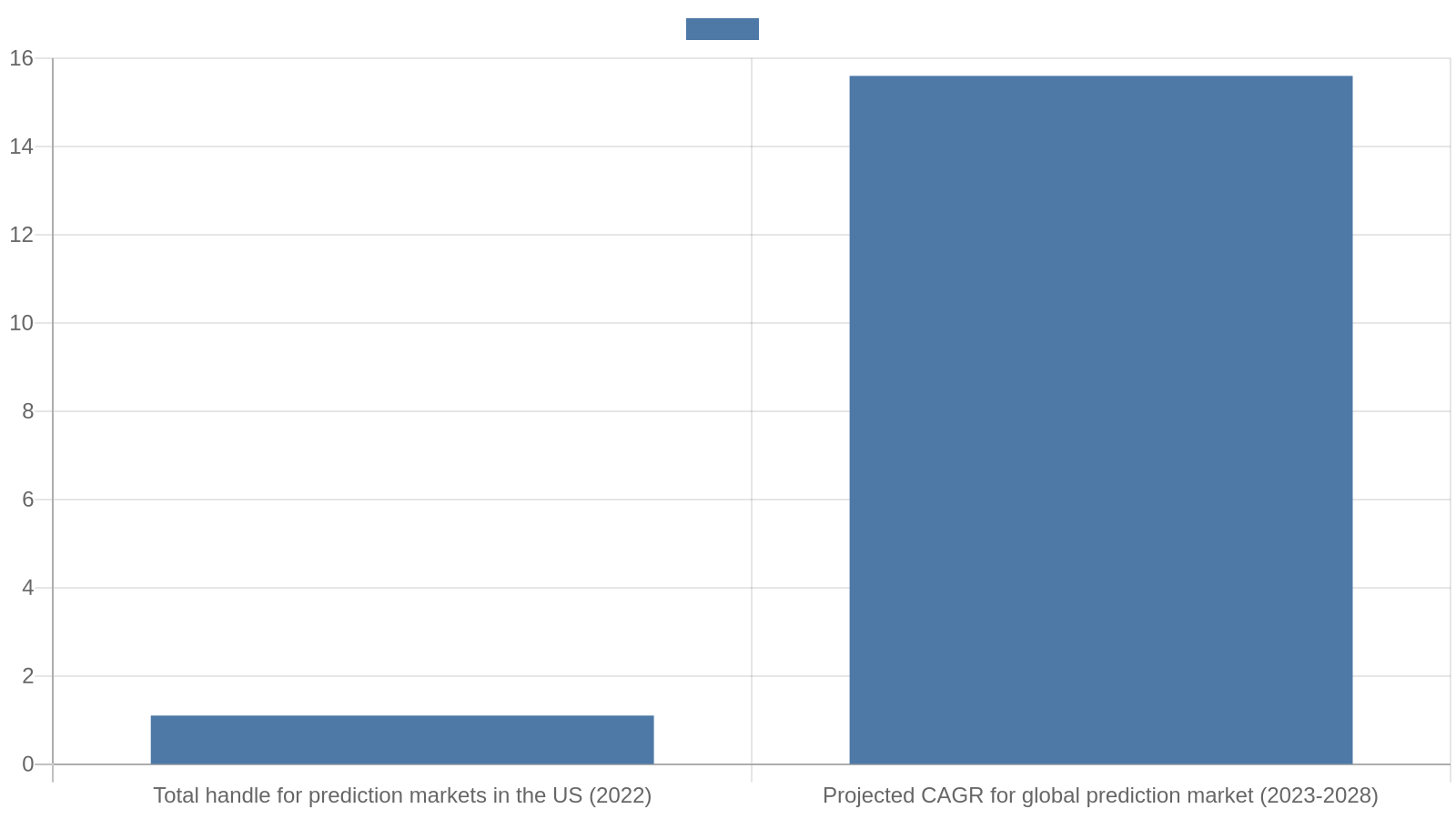
- Total handle for prediction markets in the US reached $1.1 billion in 2022, with this figure expected to grow significantly in the coming years.
- The global prediction market is projected to expand at a compound annual growth rate (CAGR) of 15.6% from 2023 to 2028, driven by increasing demand for online gaming and sports betting.
- Regulatory bodies in several states, including New York and California, are currently reviewing or revising their laws and regulations governing prediction markets, which could have a significant impact on the industry’s development and growth.
In light of these developments, industry stakeholders must remain vigilant and proactive in addressing regulatory challenges and ensuring compliance with existing and emerging laws. By doing so, they can help foster a safe, transparent, and innovative prediction markets ecosystem that benefits both consumers and operators.
As the prediction markets landscape continues to evolve, it is essential for companies and individuals involved in this space to stay informed about regulatory updates, industry trends, and best practices. By leveraging data-driven insights and expertise, stakeholders can navigate the complexities of this rapidly growing sector and capitalize on emerging opportunities.