
The UK’s Advertising Standards Authority (ASA) has upheld a complaint against a betting affiliate for targeting individuals who had searched for self-exclusion online. The company in question claimed that the exact phrase “self-exclusion” was not targeted and must have been part of an automated ad platform query-matching process.
Regulatory Landscape and Player Protection
This ruling highlights the importance of responsible advertising practices in the iGaming industry, particularly when it comes to protecting vulnerable individuals. The ASA’s decision serves as a reminder that operators and affiliates must prioritize player protection and adhere to strict advertising standards. The UK’s gambling regulatory framework is designed to ensure that operators and affiliates do not target individuals who are attempting to limit their gambling activities or exclude themselves from gambling altogether.
In light of this ruling, it is essential for operators and affiliates to review their advertising practices and ensure that they are not inadvertently targeting vulnerable individuals. This includes implementing robust age verification processes, adhering to strict advertising standards, and providing clear and concise information about self-exclusion options.
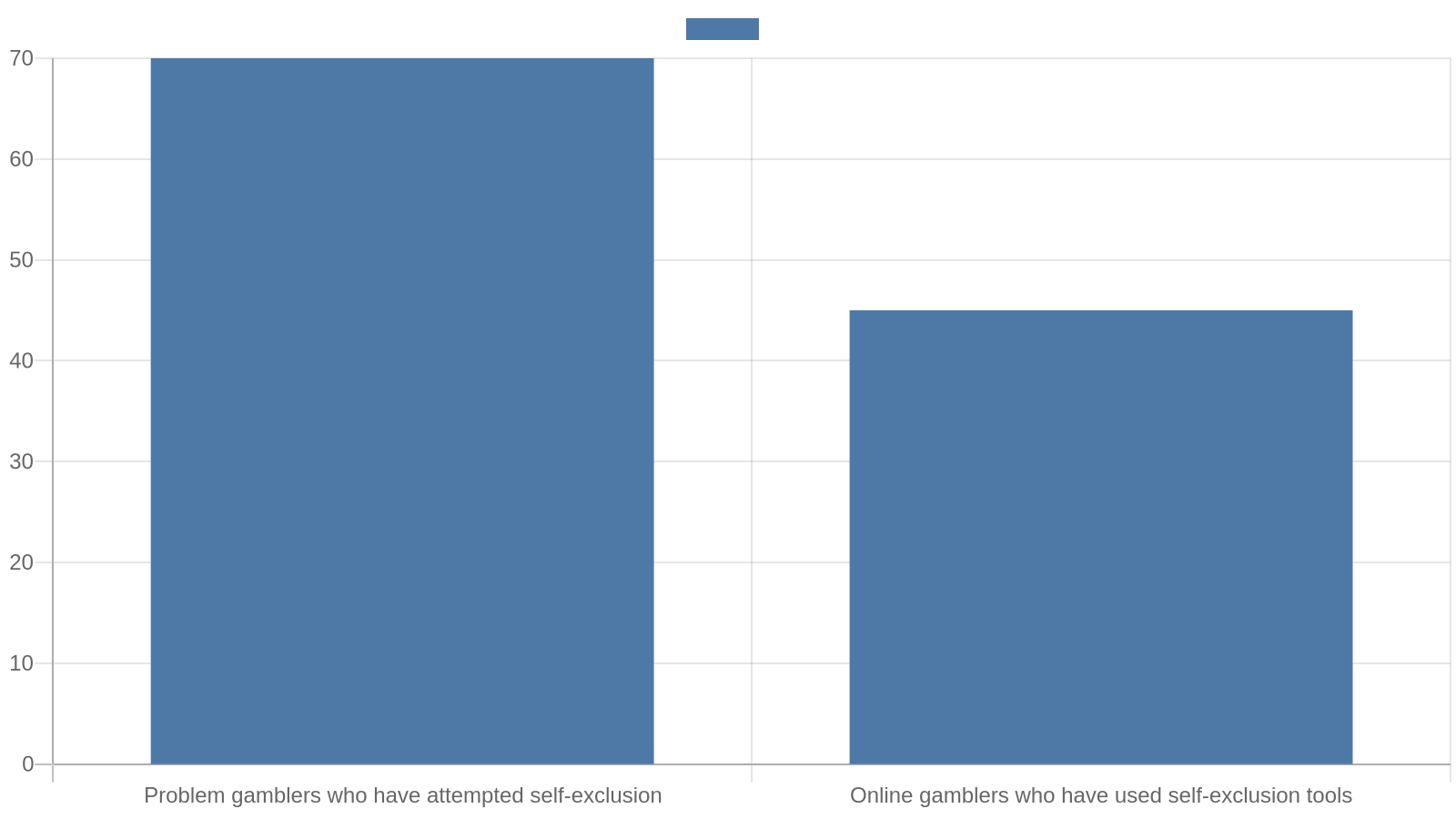
Some key statistics related to problem gambling and self-exclusion include:
- 70% of problem gamblers have attempted to self-exclude from gambling activities at some point.
- 45% of online gamblers have reported using self-exclusion tools to limit their gambling activities.
- The UK’s National Health Service (NHS) has reported a significant increase in the number of individuals seeking treatment for problem gambling.
In conclusion, the ASA’s ruling serves as a reminder that the iGaming industry must prioritize player protection and adhere to strict advertising standards. Operators and affiliates must work together to ensure that vulnerable individuals are not targeted and that self-exclusion options are clearly communicated. By doing so, the industry can promote responsible gambling practices and reduce the risk of problem gambling.