
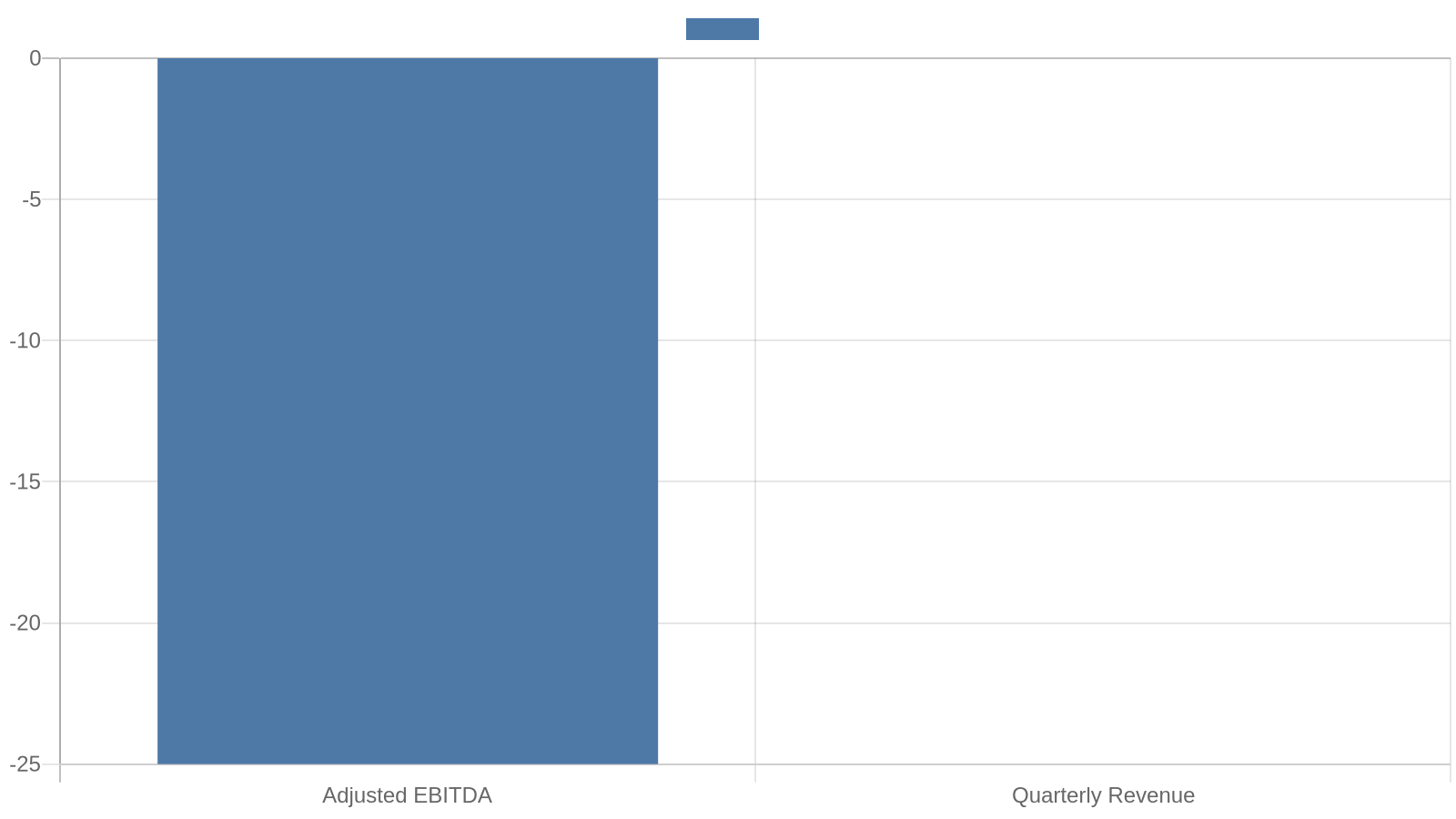
Flutter, a leading iGaming operator, has cut its FY26 guidance due to the impact of its exit from the Brazilian market and disappointing sports results on its Q3 earnings. Despite a modest increase in quarterly revenue, the company’s adjusted EBITDA fell by 25%, prompting a reduction in its annual financial forecasts.
Market Analysis
The iGaming industry is highly competitive and subject to various regulatory challenges. Operators must be able to adapt quickly to changing market conditions and regulatory requirements to remain competitive. Flutter’s experience serves as a cautionary tale for other iGaming operators, highlighting the importance of diversification and regulatory compliance.
The company’s exit from the Brazilian market is a significant factor in its reduced guidance. The Brazilian market is a complex and highly regulated environment, and operators must be able to navigate these regulations successfully to achieve profitability. Flutter’s decision to exit this market is likely a result of its inability to achieve the desired level of profitability, despite its initial investments.
In addition to the Brazilian market exit, Flutter’s sports results have also been disappointing. The company’s sports betting operations are a significant contributor to its revenue, and disappointing results in this area can have a material impact on its overall financial performance. The company’s ability to manage its sports betting operations effectively and make informed decisions about its investments in this area will be critical to its future success.
From a regulatory perspective, the iGaming industry is subject to a wide range of laws and regulations that vary by jurisdiction. Operators must be able to comply with these regulations to avoid fines, penalties, and reputational damage. The UK Gambling Commission, for example, has recently introduced new regulations aimed at protecting vulnerable customers and preventing money laundering. Operators must be able to demonstrate their compliance with these regulations to maintain their licenses and continue to operate in the UK market.
Some key data points that illustrate the challenges faced by Flutter and other iGaming operators include:
- Adjusted EBITDA fell by 25% in Q3
- Quarterly revenue increased modestly, but was not enough to offset the decline in adjusted EBITDA
- The company’s exit from the Brazilian market is expected to have a material impact on its future financial performance
- Disappointing sports results have also contributed to the company’s reduced guidance
In light of these challenges, iGaming operators must be able to adapt quickly to changing market conditions and regulatory requirements. This may involve diversifying their operations, investing in new technologies, and developing effective strategies for managing risk and compliance. By taking a proactive and informed approach to these challenges, operators can minimize their risks and maximize their opportunities for growth and profitability.
In conclusion, Flutter’s reduced FY26 guidance serves as a reminder of the importance of adaptability and regulatory compliance in the iGaming industry. Operators must be able to navigate complex regulatory environments, manage risk effectively, and make informed decisions about their investments in order to achieve success. As the industry continues to evolve, it will be important for operators to stay ahead of the curve and anticipate the challenges and opportunities that lie ahead.